
Protecting Your Home’s Exterior Through Winter
What You Should Know Before the Snow Arrives
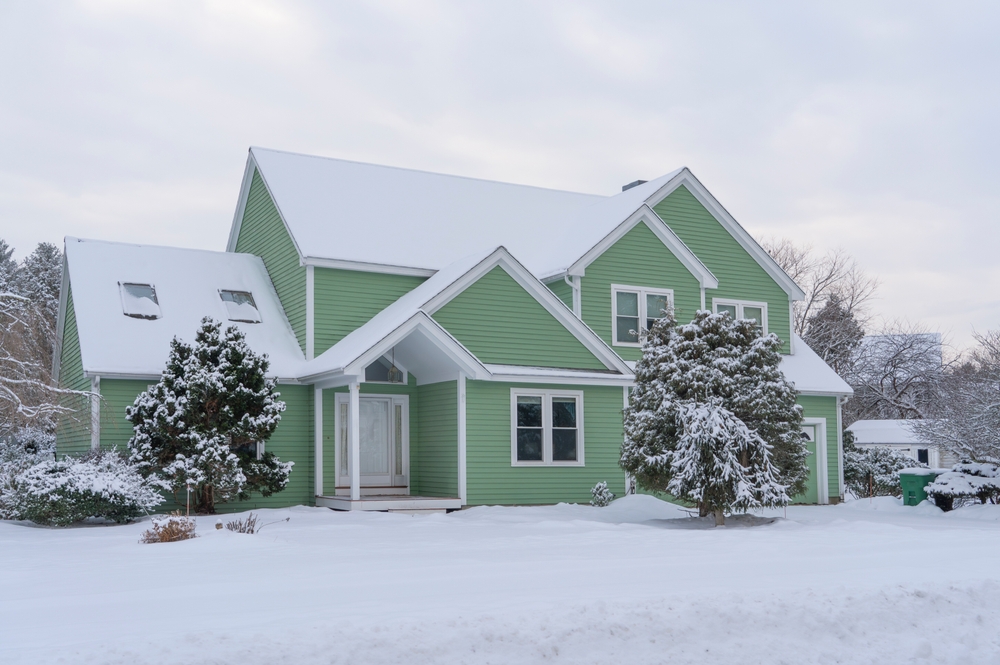
Kansas winters don’t mess around. Between sudden temperature drops, freeze-thaw cycles, sleet, moisture, and long stretches of cold, your home’s exterior takes a beating from November through March. And while most homeowners don’t think much about exterior paint this time of year, this is actually when small issues can turn into expensive repairs.
A little preparation now goes a long way — and understanding what winter does to your home can help you stay ahead of problems before they show up in spring.
Here’s what every homeowner should know before the temperatures drop.
Small Cracks and Peeling Paint Get Worse in Freeze-Thaw Cycles
If you’ve noticed even a tiny bit of peeling paint or hairline cracks in your siding or trim, winter will magnify those issues. When water gets into a crack and freezes, it expands. When the ice melts, it contracts. That movement pushes paint away from the surface and widens the gaps.
The cycle repeats all winter long.
What starts as a small cosmetic issue in October can turn into noticeable peeling, damaged siding, or wood rot by March.
If you can see bare wood, bubbling paint, or peeling edges now, that’s a sign the protective layer is already failing — and winter will finish the job.
Moisture Is the Real Enemy of Wood, Siding, and Trim
People often blame snow or cold weather for damage, but moisture is the real culprit. When exterior surfaces aren’t properly sealed:
- Wood absorbs water, leading to swelling, cracking, and eventually rot
- Siding traps moisture, which can cause warping or mold growth
- Trim expands and contracts, breaking down caulking and exposing gaps
- Paint loses adhesion, leading to peeling and flaking
Outdoor surfaces need a strong, intact paint film to keep moisture out. If your home’s exterior looks chalky, faded, or patchy, it may not be offering the protection it once did.
Can You Still Paint in Late Fall? Yes — With the Right Conditions
A lot of homeowners assume exterior painting stops in early fall. Not true.
Modern paints — especially those we use from Sherwin-Williams — are formulated to cure in cooler temperatures. With the right weather window, exterior painting is still absolutely possible in late fall in Kansas.
Here’s what we look for:
- Daytime temps above 35–40°F
- Dry weather for at least 24 hours
- Low overnight moisture
- No early-morning frost or heavy dew
If the forecast gives us that window, we can safely paint. And if not, we’ll be honest about it. The goal isn’t just to get the job done — it’s to make sure the paint actually performs the way it should.
If you're unsure whether your home is still in the “safe zone” for painting this season, we can take a look and give you a straightforward answer.
Winterizing Painted Surfaces: Simple Steps That Make a Big Difference
Even if you’re not planning to repaint right now, there are a few easy ways to protect your home going into winter:
Check your caulking
Gaps around windows and doors invite moisture in. Cracked caulking is one of the biggest root causes of winter paint failure.
Clean out gutters
Overflowing gutters send water running down siding all winter long, destroying paint and allowing moisture to seep behind boards.
Clear debris away from the home
Leaves and mulch piled against siding trap moisture and speed up deterioration.
Inspect trim and fascia
These areas take the most abuse from snow and ice. Soft spots usually indicate wood rot that needs attention before it spreads.
Touch up exposed wood
Even a small patch of bare wood can absorb moisture and expand — leading to visible paint failure when warm weather returns.
Winter rewards homeowners who prepare early.
Why Scheduling Early Matters — Even for Spring Projects
Most homeowners don’t think about exterior painting again until April. By then, every painter in town is booked out weeks (sometimes months).
Planning ahead gives you:
- First choice of spring scheduling
- A better chance to fix problems before they get worse
- A spot on our priority list when the weather breaks
- The option to take care of prep work during the winter
Even if you’re not ready to paint right now, getting an assessment before winter ensures no surprises in March.
Winter wears down a home slowly, quietly, and consistently. But with a little preparation — and a good eye for early signs of damage — you can protect your home before the harsh weather does real harm.
If you want a quick inspection of your exterior, some guidance on what can wait until spring, or help with late-season painting, Fresh Coat Painters is here when you need us.
A little attention now means a smoother, easier spring later.