
How Cold Weather Damages an Unfinished Deck, and What to Do Before Winter in Hudson and Medina
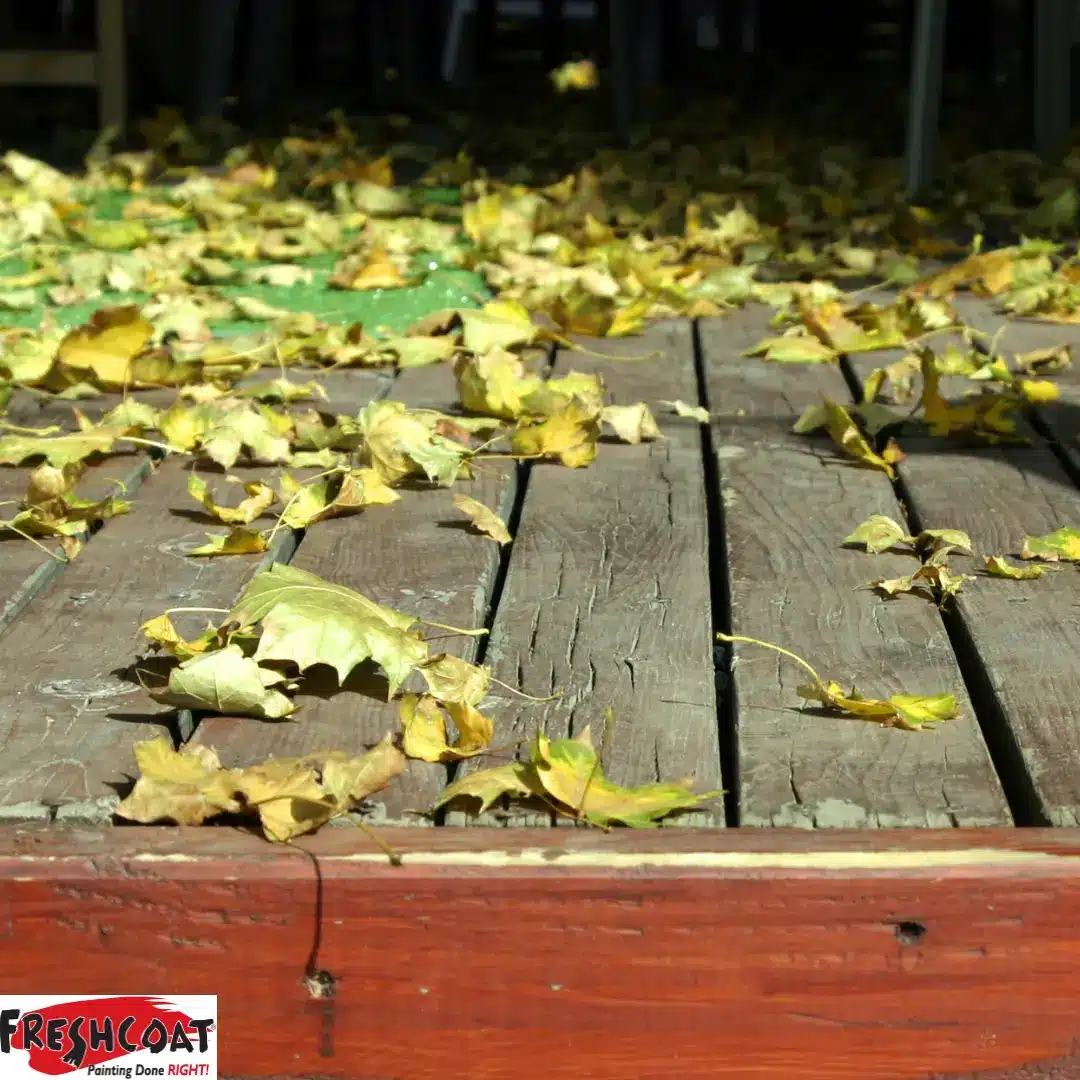
Why October Is the Real Deadline for an Unfinished Deck
Homeowners throughout Hudson, Medina, Akron, and the surrounding Northeast Ohio communities who built or refreshed a deck earlier this year, or who have simply been putting off staining and sealing an existing deck, are now looking at October as the genuine last practical window to get that work done before winter arrives in force. This is not an arbitrary deadline. Wood that goes into a Northeast Ohio winter without proper staining and sealing is exposed to exactly the kind of weather that causes the most damage to unprotected wood, and once the season's first hard freeze sets in, the opportunity to apply a proper protective finish closes for months.
Understanding why this specific window matters, what winter actually does to unprotected deck wood, and what still needs to happen this October to get ahead of it, is worth working through now rather than assuming the deck can simply wait until spring without consequence.
Why Stain and Sealant Application Has a Real Weather Deadline
Deck stain and sealant, much like exterior paint, require specific temperature and weather conditions to apply and cure correctly. Most exterior wood stains and sealants need air and surface temperatures consistently above the range of fifty degrees Fahrenheit during application and for a meaningful stretch afterward while the product cures into the wood. Northeast Ohio's October weather typically still offers this window on many days, but as the month progresses toward November, the number of days with suitable temperatures and adequate dry stretches drops considerably, and by the time consistent freezing temperatures arrive, the option to properly treat the wood is effectively gone until spring.
This means a homeowner who waits until November to think seriously about deck staining is very likely to miss the window entirely for this year, since the reliable stretch of appropriate application weather has typically passed by that point. October, by contrast, still generally offers enough suitable days to get this work done properly, provided a homeowner does not wait until the very end of the month when the odds of finding a good weather window narrow considerably.
What Winter Actually Does to Unprotected Deck Wood
Untreated or improperly sealed wood exposed to a Northeast Ohio winter faces a genuinely demanding combination of moisture, freezing temperatures, and repeated freeze-thaw cycling, and each of these factors contributes to real, often irreversible damage over the course of the season. Wood is porous, and without a proper sealant creating a protective barrier, it absorbs moisture from rain, snow, and the general humidity of the changing seasons. This absorbed moisture becomes a serious problem once temperatures drop below freezing, since water expands as it turns to ice, and that expansion occurring within the wood's cellular structure creates internal stress that can cause splitting, cracking, and warping.
This freeze-thaw cycle does not happen just once over a Northeast Ohio winter. It repeats many times as temperatures fluctuate above and below freezing throughout the season, which means each cycle adds incremental damage to wood that already absorbed moisture from an earlier thaw. By the time spring arrives, a deck that went into winter unprotected often shows considerably more wear, in the form of surface cracking, raised grain, and in more severe cases, structural softening in areas where moisture repeatedly penetrated, than the same deck would show after a single season if it had been properly sealed beforehand.
Beyond the direct effects of freezing moisture, unprotected wood exposed to repeated moisture cycles over winter is also considerably more susceptible to mold, mildew, and eventually rot, particularly on areas of the deck that do not drain or dry efficiently, such as spots shaded from sun and wind or areas where snow tends to accumulate and sit for extended periods. This kind of moisture-related deterioration tends to compound rather than resolve on its own, which means a deck that develops these issues over one unprotected winter is often carrying that damage into the following year rather than starting fresh each spring.
Why a Properly Sealed Deck Handles Winter So Differently
A deck that has been properly stained and sealed before winter faces the same freezing temperatures and moisture exposure as an unprotected one, but the sealant creates a genuine barrier that significantly reduces how much moisture the wood actually absorbs in the first place. Less absorbed moisture means less internal expansion during freezing, which means less of the cracking, splitting, and warping that afflicts unprotected wood through repeated freeze-thaw cycles. A quality sealant also provides meaningful protection against the mold and mildew growth that thrives in the kind of prolonged, trapped moisture conditions that an unprotected deck experiences over a Northeast Ohio winter.
This protective effect is precisely why deck staining and sealing is not simply a cosmetic choice about color and appearance. It is a functional, protective treatment that directly determines how much wear and potential structural damage a deck accumulates over the course of a single winter season, which is exactly why the October window for getting this done matters so much for anyone with an unfinished or overdue deck heading into the colder months.
What to Actually Do This October
For a deck that has never been stained or sealed, or one where the existing finish has clearly worn away, revealing bare or graying wood, this October represents the practical last opportunity to get a proper application completed before winter. This process starts with a thorough cleaning of the deck surface, removing dirt, mildew, and any remaining traces of old, failing finish, followed by adequate drying time before any new product can be applied, since staining or sealing over a damp surface compromises how well the product actually adheres and cures.
Any necessary repairs, including replacing damaged boards, securing loose fasteners, and sanding any rough or splintering areas, should happen before staining begins, since applying a new finish over unresolved structural issues does not solve those problems and can make them more difficult to address properly once they are sealed beneath a fresh coat. Once the surface is clean, dry, and structurally sound, staining and sealing can proceed, ideally scheduled during a stretch of October days with suitable temperatures and no rain in the forecast for at least the initial curing period.
For homeowners who are not certain whether their deck's existing finish is still providing adequate protection, a simple water test can offer a quick, informal indication: pouring a small amount of water onto the deck surface and observing whether it beads up, indicating an intact sealant, or soaks into the wood, indicating the sealant has worn away and the wood is currently unprotected and vulnerable to exactly the winter damage described above.
What Happens If This Window Is Missed
For homeowners who are unable to get deck staining and sealing completed before winter weather sets in, the deck will face this coming winter's freeze-thaw cycles and moisture exposure without protection, which means some degree of the damage described above is likely to occur. This is not necessarily catastrophic for a single season, particularly for a relatively new deck with sound wood underneath, but it does mean a homeowner should plan to assess the deck's condition closely once spring arrives and be prepared for the possibility that some repair work, beyond a simple stain and seal application, may be needed to address whatever damage did occur over the unprotected winter.
Missing this window is also a reminder that deck maintenance benefits from being planned around the calendar rather than addressed only when it becomes visually obvious that a deck needs attention, since by the time neglect becomes visually obvious, a homeowner has often already missed one or more seasonal windows where addressing the issue would have been considerably more straightforward.
Why Different Deck Materials Face This Deadline Differently
Not every deck faces the October staining deadline in exactly the same way, and understanding how material type affects urgency helps homeowners prioritize appropriately. Pressure-treated lumber, one of the most common deck materials throughout Northeast Ohio, is treated with chemicals that offer some baseline resistance to rot and insect damage, but this treatment does not provide the same moisture-repelling protection that a proper stain and sealant application provides, which means pressure-treated decks still benefit significantly from sealing before winter despite the underlying chemical treatment.
Cedar and other naturally rot-resistant woods offer somewhat better natural resistance to moisture and decay than standard pressure-treated lumber, but they are not immune to the freeze-thaw damage described throughout this guide, and a cedar deck left unsealed through a Northeast Ohio winter will still show more wear than the same deck properly protected beforehand. Composite decking materials are a different case entirely, since many composite products do not require staining or sealing in the same way natural wood does, though homeowners with composite decking should still check manufacturer guidance specifically, since some composite products do benefit from periodic cleaning or specific maintenance products even though they do not face the same moisture-absorption risks as solid wood.
For homeowners uncertain which category their deck falls into, or whether their specific decking material genuinely needs this October attention, a quick check of any documentation from the original installation, or a professional assessment, can clarify whether staining and sealing is a priority this season or whether the material in question is more naturally suited to handling a Northeast Ohio winter without this specific intervention.
Why This Is Also a Good Time to Plan Next Year's Deck Maintenance Schedule
Beyond addressing this specific October deadline, the process of assessing a deck's current condition is a natural opportunity to think through a longer-term maintenance schedule that avoids this same last-minute scramble in future years. Most stained and sealed decks benefit from reapplication every one to three years depending on the specific product used, the deck's sun and weather exposure, and how much foot traffic and general use it sees, which means a deck properly sealed this October will likely need attention again within a similar window in a future year, rather than being a one-time task that is now permanently finished.
Building a habit of assessing deck condition each late summer, well before the October deadline actually arrives, gives homeowners more comfortable planning time and a wider window of suitable weather to work with, rather than discovering a deck needs attention right as the reliable staining season is already narrowing. This kind of proactive planning is considerably less stressful than the reactive scramble that many homeowners find themselves in when they realize in October, sometimes later than ideal, that a deck needs attention before winter.
Frequently Asked Questions
Is it really too late to stain my deck if we're already in October? Not necessarily, but the window is narrowing. Early to mid-October still typically offers suitable weather in Northeast Ohio, but waiting until late October or November significantly reduces the chances of finding the temperature and dry conditions needed for proper application and curing.
How can I tell if my deck's stain has actually worn off? A simple water test is a quick way to check: pour a small amount of water on the deck surface. If it beads up, the sealant is likely still intact. If it soaks in quickly, the wood is currently unprotected.
What temperature do I actually need for deck staining to work properly? Most exterior stains and sealants require air and surface temperatures consistently above roughly fifty degrees Fahrenheit during application and for a period afterward while the product cures, which is why timing matters so much heading into a Northeast Ohio fall.
Will my deck definitely be damaged if I can't get it sealed before winter? Not definitely, but the risk increases significantly. Unprotected wood exposed to freeze-thaw cycling and moisture over winter is considerably more prone to cracking, warping, and mold growth than a properly sealed deck facing the same conditions.
Do I need to make repairs before staining, or can staining happen first? Repairs should happen first. Applying stain or sealant over damaged boards, loose fasteners, or rough surfaces does not resolve those issues and can make them more difficult to address once sealed beneath a fresh finish.
Can I still get a quote and schedule staining even with limited time left in October? Yes, and this is worth doing sooner rather than later. Reaching out promptly gives the best chance of securing a suitable weather window before the season's reliable staining days run out entirely.
Protect Your Deck Before Winter Arrives
October is the genuine last opportunity for homeowners throughout Hudson, Medina, Akron, and the surrounding communities to get an unfinished or overdue deck properly stained and sealed before Northeast Ohio's winter freeze-thaw cycles and moisture exposure take their toll on unprotected wood. The team at Fresh Coat Painters of Hudson & Medina brings the staining and sealing expertise to help homeowners protect their deck investment before the season's weather closes this year's window for good.
Call us at 330-474-3346 or visit freshcoatpainters.com/locations/hudson-medina to schedule your deck staining and sealing quote throughout Hudson, Medina, and the greater Akron area.