
What Causes Exterior Paint to Peel and Blister?
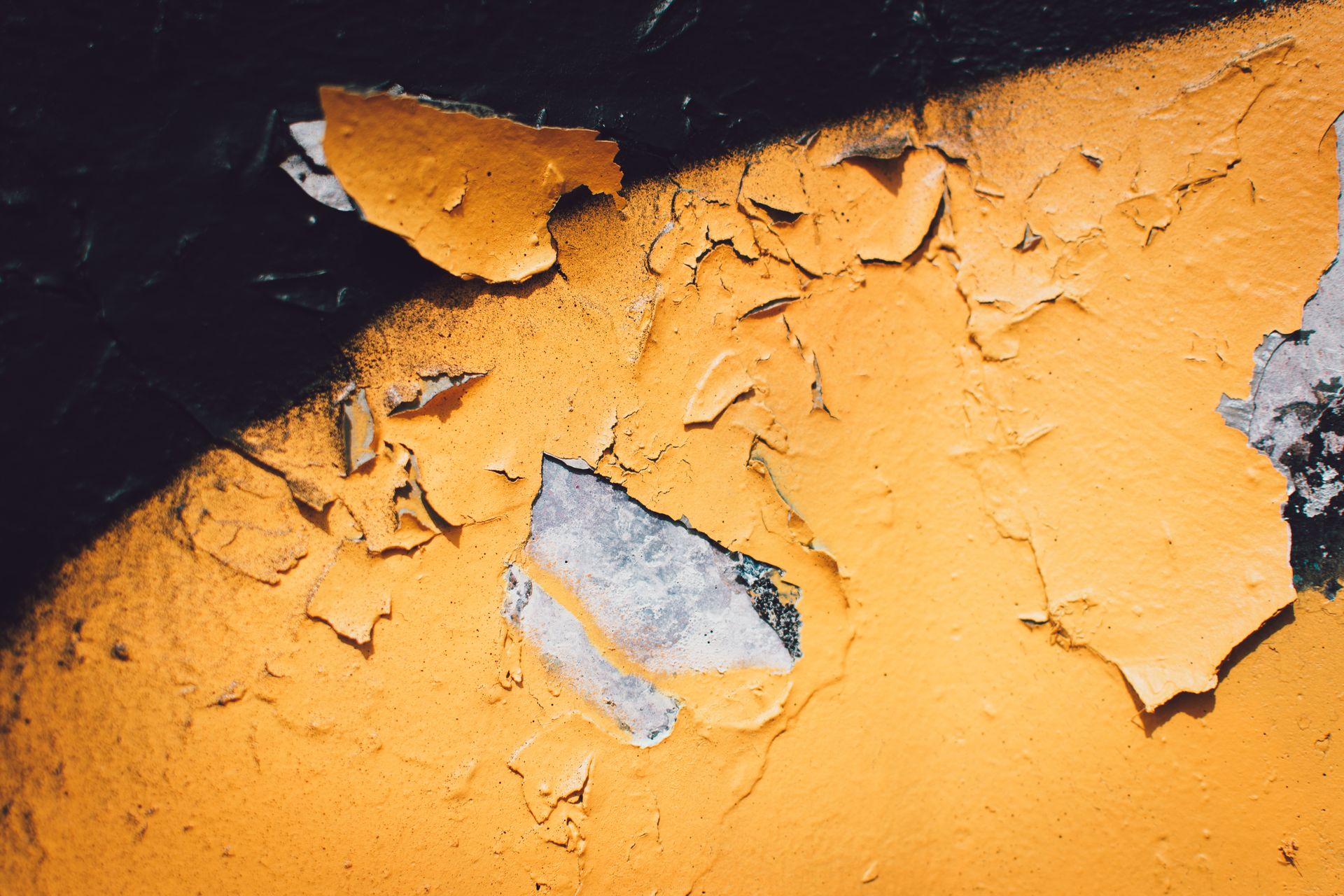
Purdue University's Cooperative Extension Service, in its guide Paint Failure Problems and Their Cure, states plainly that the most common cause of premature paint failure on wood is moisture. That finding is the starting point for understanding what causes exterior paint to peel and blister, because heat, poor preparation, and application mistakes account for most of the rest.
Peeling and blistering paint are two of the most frustrating problems a homeowner can face. They usually appear without warning, often on a paint job that is only a few years old, and they tend to spread once they start. A few small bubbles near a window frame can become a section of bare siding within a single season.
Here is a breakdown of the most common causes, how to identify which one is affecting your home, and what a lasting repair through professional exterior painting looks like.
H2: Peeling vs Blistering: What Is the Difference?
Peeling and blistering are related, but they are not the same failure. Blistering happens when bubbles form beneath the paint film, lifting it away from the surface while it is still intact. Peeling occurs when the paint film loses adhesion entirely and begins to curl, crack, and flake away.
In many cases, blistering is the early stage of peeling. Once a blister breaks open, the edges of the paint film lift, water gets underneath, and the damage spreads outward. That is why exterior paint blistering should never be ignored, even if it looks minor.
Moisture: The Leading Cause of Paint Failure
The connection between moisture and paint failure is well established. Paint is designed to protect a surface from water, but it cannot hold back moisture that is already inside the wall or that continually reaches the wood from behind the paint film.
Moisture From Outside
Rain, irrigation, and dew all deliver water to exterior surfaces. Normally, a sound paint film sheds that water. Problems begin when water finds a way behind the paint through gaps in caulking, failed joints around windows and doors, cracks in the siding, or poorly sealed trim. Clogged gutters and downspouts that overflow onto siding are another frequent source.
Moisture From Inside the Home
Moisture can also move outward from the interior. Purdue's extension guide notes that water vapor from inside a home can destroy paint on the outside of a building by diffusing through the walls. Bathrooms, kitchens, and laundry rooms generate significant water vapor. Without adequate ventilation and vapor barriers, that moisture travels through the wall and pushes against the exterior paint from behind, causing blisters that contain water.
How to Identify Moisture Blisters
To check whether moisture is the cause, carefully cut open a blister. If there is water inside, or if bare wood is visible at the base of the blister, moisture is almost certainly the culprit. Moisture blisters often appear near bathrooms and kitchens, below windows, or on walls close to gutters and downspouts.
Heat and Sun Exposure
Not all blisters are caused by water. Temperature blisters form when freshly painted surfaces heat up too quickly. According to Purdue's guide, a rapid rise in temperature, such as direct sun striking freshly painted wood, can cause solvent vapor trapped in the paint to push upward and form bubbles. The publication notes this is most common with oil-based paint, and that dark colors and thick coats are more prone to it.
This is especially relevant in Central Texas, where afternoon sun can heat siding dramatically. Painting sun-facing walls in the heat of the day, or applying paint too thickly, increases the risk of temperature blistering. If a blister is cut open and contains no water and shows paint underneath rather than bare wood, heat is the more likely cause.
Poor Surface Preparation
Many homeowners asking why is my exterior paint peeling are dealing with a preparation problem. Paint needs a clean, dry, sound surface to bond to. When it is applied over dirt, mildew, chalky residue, or loose old paint, it bonds to those contaminants instead of the siding. Professional power washing before painting removes the dirt, chalk, and mildew that so often cause this type of failure.
As those contaminants break down or release, the new paint goes with them. This type of failure often appears as large sheets of paint lifting away, sometimes revealing the older paint layer underneath. It typically shows up within the first few years after painting, which makes it one of the most frustrating forms of paint failure for homeowners who invested in a new paint job.
Application Mistakes
Even with good preparation, the way paint is applied influences how long it holds up.
Painting in the Wrong Conditions
Applying paint when surfaces are damp from morning dew, when rain is expected soon after, or when temperatures are outside the range the manufacturer recommends prevents the paint from curing correctly. The result is a weak film that is more likely to blister or peel.
Incompatible Paint Layers
Applying latex paint directly over old oil-based paint without proper preparation and priming often leads to adhesion failure. The two paint types bond differently, and without a suitable primer, the new layer may peel away in sheets.
Excessive Paint Buildup
After many years and multiple repaints, paint layers can become very thick. Thick buildup is less flexible and more likely to crack as the surface expands and contracts with temperature changes. Eventually, the entire stack of paint can separate from the wood.
How to Fix Peeling Exterior Paint
The most important rule for how to fix peeling exterior paint is to address the cause before repainting. Painting over the problem without correcting it will simply repeat the failure.
The repair process typically begins with identifying and correcting moisture sources, such as repairing gutters, replacing failed caulk, improving ventilation, or fixing damaged siding. Next, all loose and failing paint should be scraped away and the edges sanded smooth. The surface should be cleaned thoroughly, allowed to dry completely, and primed with a suitable exterior primer before applying quality topcoats under the right weather conditions.
Knowing what causes exterior paint to peel and blister allows homeowners to fix the real problem and protect their investment, rather than paying for the same repair again a few years later.
How to Prevent Peeling and Blistering in the Future
Prevention starts with managing water around the home. Keeping gutters clean and downspouts directed away from the foundation, maintaining caulk around windows, doors, and trim, and trimming back shrubs that hold moisture against siding all reduce the amount of water that reaches the paint film.
Inside the home, running exhaust fans in bathrooms and kitchens and venting dryers properly limits the water vapor that can migrate through exterior walls. These small habits protect both the paint and the structure behind it.
When it is time to repaint, timing and product choice matter. Exterior work should be scheduled for dry weather, with surfaces allowed to dry fully after rain or dew. Quality acrylic exterior paints remain flexible and breathable, which helps them resist cracking and allows small amounts of moisture vapor to escape rather than becoming trapped. On sun-facing walls, working in the cooler parts of the day reduces the risk of temperature blistering.
Finally, an annual walk around the house helps catch small problems early. A single blister, a gap in caulking, or a patch of mildew is far easier to address before it develops into widespread peeling.
Exterior Painting Services from Fresh Coat Painters of Marble Falls
At Fresh Coat Painters of Marble Falls, we look beyond the surface to find out why paint is failing before we apply a fresh coat. Our process includes careful inspection, thorough cleaning, scraping, sanding, priming, and premium exterior paints applied under the right conditions for long-lasting results.
Contact us today for a free quote and give your home an exterior finish that holds up to the Texas weather.