
Questions to Ask a Painting Contractor Before Hiring
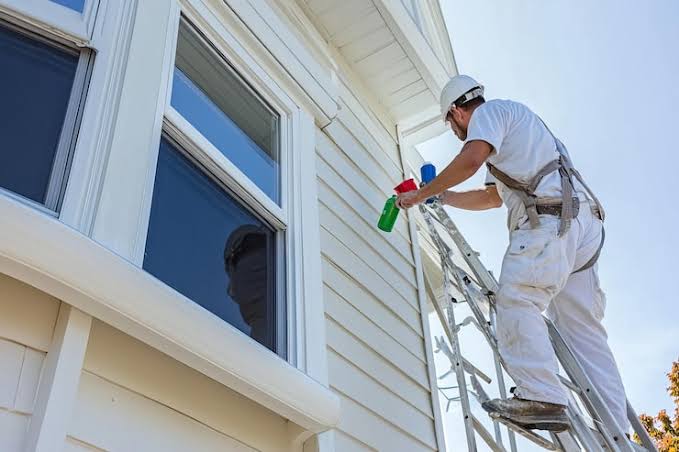
Most homeowners spend more time choosing a paint color than they do vetting the contractor who will apply it. That imbalance has consequences. A survey of 1,000 homeowners by JW Surety Bonds found that 1 in 4 homeowners who hired a contractor experienced significant issues, with 45% of those problems costing $1,000 or more to fix. The average mistake took 21 days and $902 to resolve.
Painting is one of the most commonly hired home improvement services, and also one of the most variable in terms of quality. Two contractors can quote the same job at similar prices and deliver results that are years apart in how long they last. The difference almost always comes down to what is happening underneath the visible work: the preparation, the products, the process, and the professionalism of the crew.
The right questions to ask a painting contractor surface that difference before the job starts rather than after. Here is what to ask, what to listen for, and what the answers tell you.
Are You Licensed and Insured?
This is not a formality. It is the first filter. A painting contractor working without proper licensing and insurance puts you at direct financial risk the moment something goes wrong on your property.
Liability insurance covers damage to your home or property that occurs during the job. Without it, any damage becomes your problem to resolve. Workers' compensation insurance covers any crew member injured on your property during the project. Without it, an injured worker can pursue a claim against your homeowner's insurance or take direct legal action against you as the property owner.
Ask for certificates of insurance, not just a verbal confirmation. Then, verify the certificates are current by contacting the insurance provider directly. A reputable contractor has no hesitation in providing this documentation and no reason to delay. Hesitation or vague answers here is a clear signal to stop the conversation.
Do You Have References From Recent Projects?
References are one of the most reliable indicators of what you are actually going to get. A contractor who has consistently done good residential painting work for homeowners similar to you will have no shortage of people willing to say so.
Ask for references from projects completed in the last 12 months, and ask specifically for projects similar in scope to yours, whether that is interior painting, exterior painting, or cabinet work.
Contact those references directly rather than reading a summary. Ask about the quality of the finish, whether the project stayed on schedule, how the crew handled the prep work, how they left the property at the end of each day, and whether they would hire that contractor again.
Online reviews on Google are also useful, but they are not a substitute for a direct conversation with someone who has been through the same process you are about to undertake. Pay attention to how the contractor responds to negative reviews as much as the volume of positive ones.
Who Will Be Doing the Work?
When searching for how to hire a painter, you will come across various estimators. The person who gives you the estimate is often not the person who shows up to do the job. Knowing who is actually going to be on your property matters for both quality and accountability.
Employees vs. Subcontractors
Ask directly whether the crew is made up of the company's own employees or subcontractors. This distinction has meaningful implications. Companies that use their own employees have direct control over training, technique, and quality standards.
Subcontractors are paid a flat fee by the contractor and have no built-in accountability to the company's reputation or standards. The contractor you vetted may never set foot on your job once the subcontractors take over.
If subcontractors are used, ask whether they carry their own liability and workers' compensation insurance. A subcontractor injured on your property who carries no insurance creates the same liability exposure as an uninsured direct employee.
Who Is the Project Manager?
Find out who your point of contact is once the job begins. Will there be a project manager on site daily with a painting contractor checklist, or will the crew work independently? How are questions and concerns handled mid-project?
A clear answer to this question tells you a lot about how organized and accountable the operation is. A vague answer tells you the same thing.
What Does Your Prep Process Include?
This is the most important technical question on the list, and it is the one most homeowners forget to ask. Surface preparation is what determines how long the paint job lasts. A contractor who cuts corners on prep delivers a finish that looks fine for six months and then starts to fail. A contractor who does it right delivers a result that holds for years.
Ask them to walk you through the specific prep steps for your project. For interior painting, that should include cleaning surfaces, patching holes and cracks, sanding where needed, priming bare or problem areas, and protecting floors, trim, and furniture. For exterior painting, it should include pressure washing, scraping and feathering any failing paint, caulking gaps around trim and windows, repairing damaged wood, and priming bare surfaces before the finish coat.
If a contractor glosses over prep or describes it in vague terms, that is a red flag. The prep is where the investment in quality either gets made or skipped. A contractor who cannot articulate it in detail likely is not doing it thoroughly.
What Products Will You Use and Why?
Paint quality varies significantly, and not all contractors specify premium products by default. Some use contractor-grade paint to protect their margins, which is a legitimate business decision, but one that directly affects how your home looks and how long the job holds up.
Ask which paint brand and product line they plan to use on your project, and ask why they use it. A knowledgeable contractor should be able to explain the difference between product grades, why they match specific products to specific surfaces and conditions, and what sheen they recommend for each area and why. If they cannot answer those questions fluently, the product selection may not be as deliberate as it should be.
Get the specific products specified in writing as part of the estimate. This prevents the job from being quoted with one product and completed with a cheaper alternative.
What Does the Written Estimate Include?
A verbal estimate is not a contract. A detailed written estimate is the baseline for a professional painting engagement, and what it includes reveals a great deal about how organized and transparent the contractor is.
The estimate should itemize the scope of work, including which surfaces are being painted, the number of coats, the products being used, the prep steps to be performed, what is excluded, the project timeline, and the total cost. It should distinguish between labor and materials. Any ambiguity in the estimate is a potential source of dispute once the job is underway.
If a contractor is resistant to providing a detailed written scope or pushes back on putting specifics in writing, treat that as a significant warning sign. Every legitimate painting contractor checklist includes written documentation as a non-negotiable.
Do You Offer a Warranty?
A warranty is a contractor's statement of confidence in their own work. Most reputable painting contractors offer a workmanship warranty of at least one to two years covering issues that arise from application problems, and the best offer longer.
Ask specifically what the warranty covers. A warranty that covers only the paint product but not the labor or application is not meaningful protection. You want a warranty that covers the full result, meaning if the paint peels, blisters, or fails prematurely due to application error, the contractor returns to address it at no additional cost.
Also, ask how warranty claims are handled in practice. A company with a real warranty and a real service process can tell you exactly what that looks like. One that cannot describe the process clearly likely does not have one in any meaningful sense.
How Do You Handle Payment?
Payment structure is one of the clearest indicators of a contractor's financial stability and professionalism. A contractor who asks for a large upfront payment before any work begins is a risk.
Industry standard for what to look for in a painting contractor is a modest deposit to schedule the job, with the balance paid upon completion or in agreed milestone installments for larger projects.
Never pay the full amount up front. A contractor who requires it either does not have the working capital to purchase materials without your money or has no financial incentive to complete the job to your satisfaction once they have been paid. Neither scenario is acceptable.
Get the payment schedule in writing as part of the contract. Confirm that the final payment is tied to your satisfaction with the completed work, not just the completion of the job on the contractor's terms.
What Should I Expect During the Project?
A professional contractor has a clear answer to this question because they have done it many times. They can tell you how many crew members will be on site, what time they typically start and end, how they protect your floors and furniture, how they handle daily cleanup, and what the end-of-day site condition will look like.
Hiring a painting company that cannot articulate the day-to-day logistics of the job is a sign that those logistics may not be well managed once the work begins. Disruption during a paint project is inevitable to a degree, but a professional operation minimizes it through clear communication and organized site management.
Painting Services from Fresh Coat Painters of Seneca
At Fresh Coat Painters of Seneca, we answer all of these questions before the first drop of paint goes on. Our process is documented, our crews are our own employees, and our workmanship is backed by a warranty because we stand behind the results we deliver.
Contact us today for a free quote and find out what a transparent, professionally managed painting project looks like from start to finish.