
What Is the Difference Between Painting and Staining a Fence or Deck?
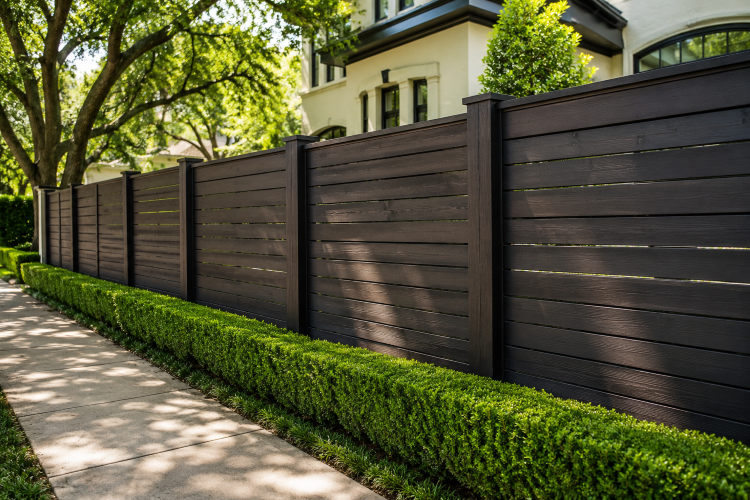
Painting a fence or deck adds a solid, opaque coat of color that hides the wood grain and holds up longer with less upkeep, while staining soaks into the wood to highlight its natural grain but needs to be reapplied more often — typically every 2 to 3 years in Houston versus 5 or more years for paint. Which one is right for you comes down to whether you want a low-maintenance solid color or a natural wood look you're willing to refresh more often, and the current condition of your fence or deck matters too — wood that's already faded, stained unevenly, or showing damage often does better with paint's full coverage than with stain, which can highlight flaws rather than hide them.
A homeowner in Spring Branch learned this the hard way. She had a brand-new cedar fence stained a rich honey tone, expecting it to hold that look for years like the sample can suggested. Houston's sun and humidity had it graying and flaking within 18 months, and she was back to restaining far sooner than she'd planned. Her neighbor's painted picket fence, installed around the same time, still looked sharp.
“Stain is beautiful, but it's not a one-and-done decision here the way it might be somewhere with less sun and humidity,” Yuri Lorenzsonn, owner of Fresh Coat Painters of West Houston, said. “If you want the wood grain to show, that's great — just know you're signing up for more frequent upkeep than paint.”
Painting vs. Staining: What's Actually Different
Paint sits on top of the wood as a solid, opaque film. It fully covers the grain, comes in virtually any color, and does the best job of blocking moisture and UV rays. Stain, by contrast, soaks into the wood fibers rather than coating over them, so the natural grain and texture stay visible — but that thinner protective layer is also why stain wears down faster.
Homeowners in Memorial Villages, Piney Point Village, Hunters Creek Village, Bunker Hill Village, Hedwig Village, Hilshire Village, and Spring Valley Village often have larger, wooded lots where a fence line runs the full length of the property, so this decision ends up affecting a lot more square footage than a single gate or a small section of deck railing.
Durability in Houston's Climate
Houston's combination of intense summer UV, high humidity, and heavy seasonal rain is tough on any exterior wood surface, but it affects paint and stain differently. Paint's thicker film resists moisture penetration better and typically lasts 5 or more years on a fence or deck before it needs attention. Stain's thinner, more breathable finish looks great initially but breaks down faster under UV exposure and often needs recoating every 2 to 3 years to keep protecting the wood underneath.
In neighborhoods with heavy, mature tree canopy — River Oaks, Tanglewood, Afton Oaks, Briargrove, Bellaire, West University Place, Southside Place, and Meyerland — a fence or deck gets more shade, which sounds like a break from the sun but often means it dries out more slowly after Houston's frequent rain. That extra moisture sitting on the surface is exactly what accelerates stain breakdown and can invite mildew if a project isn't finished with the right products. We see this often in ZIP codes like 77401 and 77098, where older tree cover shades backyard fences for much of the day.
Which Wood and Projects Take Stain vs. Paint Better
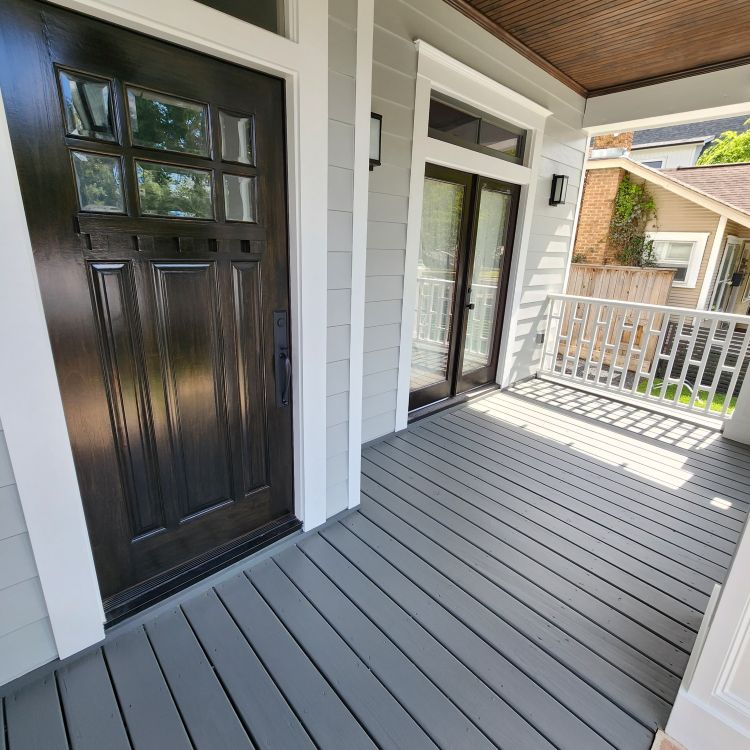
Newer-construction fences and decks in Energy Corridor, Spring Branch, Garden Oaks, Oak Forest, Timbergrove, Houston Heights, and the Galleria Area are often built from pressure-treated pine, which needs to dry out for several weeks after installation before it will properly accept either stain or paint. Cedar and redwood tend to take stain especially well since their natural grain is part of the appeal. Composite decking doesn't need either product structurally, though some homeowners still stain composite rail caps or trim for a cohesive look.
Prep Work Matters More Than the Product You Choose
Whether you go with paint or stain, the prep work is what actually determines how long the finish lasts. That means power washing to remove dirt, mildew, and old flaking finish, letting the wood dry completely — which can take longer than people expect in Houston's humidity — and sanding rough or splintered areas before anything gets applied. Even in denser areas like Downtown Houston, Greater Uptown, Greenway Plaza, Upper Kirby, Rice Village, Rice Military, Montrose, and the Museum District, a small privacy fence or patio deck still needs the same prep steps as a quarter-acre backyard; the surface area is just smaller.
When We Recommend Paint vs. Stain
We generally recommend paint when a homeowner wants a specific color, lower long-term maintenance, or has an older fence with wood that's already showing some damage paint can help mask. We recommend stain when the wood itself is the feature — new cedar, a pergola, or a deck where the grain is worth showing off — and the homeowner is comfortable with recoating every few years to keep it looking fresh. If your neighborhood has HOA guidelines on fence color or finish, that's worth checking before deciding either way.
Why West Houston Homeowners Choose Fresh Coat
- Free on-site estimates, with a written quote during the same visit
- Free color consultation led by Suzanne Maraia of S Squared Design Studio, for paint and stain color decisions alike
- Paint and stain samples applied to your actual fence or deck before you commit
- Four-year warranty on most fence and deck painting projects (staining is not covered under this warranty and requires more frequent recoating regardless)
- Bonded and insured
- EasyPay financing — paint now, pay over time
- Notable financing with a pay-at-closing option, if you're planning to sell
- Outdoor furniture, grills, and planters near the work area moved and covered
- Live answering, 24/7
- Locally owned by Yuri Lorenzsonn
- Our 3-3-3 Service Pledge: calls answered in 3 rings, a quote in 3 days, your project scheduled within 3 weeks
You can see more about our fence and deck work on our deck painting and refinishing page.
Neighborhoods We Serve Across West Houston
Fresh Coat Painters of West Houston serves homeowners throughout the greater West Houston area, including:
• Afton Oaks |
• Meyerland |
• Bellaire |
• Montrose |
• Briargrove |
• Museum District |
• Bunker Hill Village |
• Oak Forest |
• Downtown Houston |
• Piney Point Village |
• Energy Corridor |
• Rice Military |
• Galleria Area |
• Rice Village |
• Garden Oaks |
• River Oaks |
• Greater Uptown |
• Southside Place |
• Greenway Plaza |
• Spring Branch |
• Hedwig Village |
• Spring Valley Village |
• Hilshire Village |
• Tanglewood |
• Houston Heights |
• Timbergrove |
• Hunters Creek Village |
• Upper Kirby |
• Memorial Villages |
• West University Place |
Whether you're in a historic bungalow in Houston Heights or a new build in the Energy Corridor, we've painted homes like yours — and every neighborhood in between.
Frequently Asked Questions
Paint fully covers the wood grain with an opaque, solid color and lasts longer with less maintenance. Stain soaks into the wood to highlight the natural grain but needs to be reapplied more often, typically every 2 to 3 years in Houston.
Paint generally lasts longer, often 5 or more years on a fence or deck, because its thicker film better resists Houston's UV exposure and humidity. Stain typically needs recoating every 2 to 3 years.
Often, yes. Paint's opaque coverage is generally better than stain at hiding fading, uneven old stain, or minor surface damage, as long as the wood is properly cleaned, dried, and sanded first. Severely rotted or damaged boards should be replaced before any product is applied.
Yes. Power washing removes dirt, mildew, and any old flaking finish, and the wood needs to fully dry afterward — which can take longer than expected in Houston's humidity — before paint or stain will properly bond.
Stain is often cheaper upfront, but because it needs recoating every 2 to 3 years versus 5 or more for paint, the long-term cost can end up similar or higher depending on how many years you own the home.
Some deed-restricted communities do have guidelines on fence height, color, or finish. We recommend checking with your HOA before finalizing a paint or stain choice, especially on a fence visible from the street.
Cedar and redwood generally take stain the best since their natural grain is part of the appeal. Pressure-treated pine can be stained too, but it needs to fully dry out after installation first, which can take several weeks.
Call Fresh Coat Painters of West Houston at 713-596-9040 for a free on-site estimate. We'll look at your wood, your maintenance preferences, and your neighborhood's guidelines to help you choose the right finish.
Not sure whether your fence or deck should be painted or stained? Call Fresh Coat Painters of West Houston at 713-596-9040, or get your free quote online, and we'll help you land on the right finish for your yard.
We look forward to earning your trust.