
DIY Painting vs Hiring a Professional: Which Is Right for Your Home?
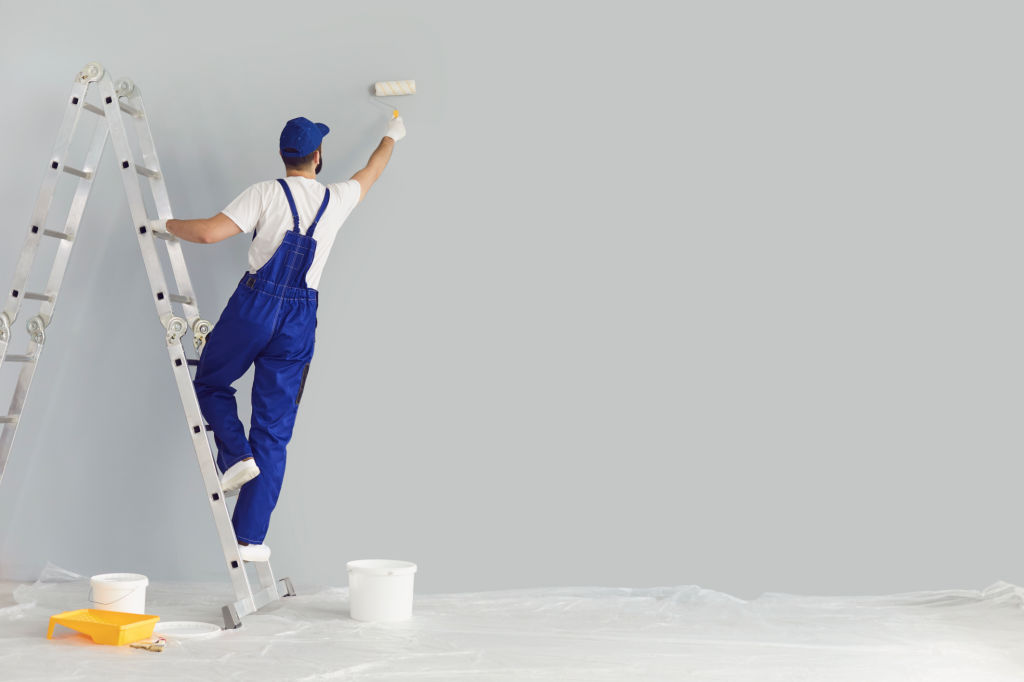
Painting your home looks straightforward on paper. Buy the paint, grab some rollers, and spend a weekend getting it done. The reality tends to be different. A survey of over 1,700 U.S. homeowners by Hippo Insurance found that 58% of those who took on DIY home projects spent more than anticipated due to errors, and 38% ended up paying $500 or more in repairs to fix what went wrong. Painting was among the most commonly attempted projects in the survey.
None of that means DIY painting is always the wrong call. For small, straightforward jobs with low stakes, it can be a perfectly reasonable option. But the decision deserves more thought than most homeowners give it before they are already halfway through a room with an uneven finish and no clear plan for the trim.
Here is an honest breakdown of DIY painting vs hiring a professional across the factors that actually matter: cost, time, quality, and when one option clearly makes more sense than the other.
The Real Cost Comparison
Cost is the reason most homeowners reach for the roller themselves. The assumption is that skipping labor fees saves money. That assumption holds up on small, simple projects. It starts to break down the moment the scope grows, or something goes wrong.
What DIY Painting Actually Costs
Paint itself is only one line item. A proper DIY paint job requires primer, brushes, rollers, and covers, painter's tape, drop cloths, patching compound, sandpaper, and sometimes a ladder or extension pole, depending on ceiling height and room size. For a single room, materials typically run between $150 and $300 before a single wall is touched.
Then there is the cost of mistakes. A botched cut-in along the ceiling, roller marks left by the wrong nap thickness, or paint applied over an inadequately prepped surface all require additional material and time to correct. In some cases, a second full coat is needed to cover a poor first pass. The cost of hiring a painter starts to look different when the material costs, tool costs, and rework are added up honestly.
What Professional Painting Costs
Professional painter costs vary by region, project scope, and surface condition, but interior painting typically runs between $2 and $6 per square foot, including labor and materials. Exterior projects vary more widely depending on the size of the home, number of stories, surface prep required, and product specified.
What that price includes matters. A reputable contractor covers surface preparation, primer where needed, two coats of finish paint, cleanup, and, in most cases, a workmanship warranty.
The warranty alone changes the value calculation. If the job develops a problem within the warranty period, the contractor addresses it at no additional cost. A DIY job has no such protection.
The Time Reality
Time is where DIY painting consistently surprises homeowners the most. The job almost always takes longer than the estimate going in.
How Long DIY Actually Takes
A standard bedroom with 8-foot ceilings takes most DIY painters 10 to 16 hours to complete properly when prep, two coats, and cleanup are all included. That does not count trips to the store, drying time between coats, or time spent correcting mistakes. Spread across evenings and weekends, a single room project can easily drag across two to three weeks, with the room partially dismantled and unusable the entire time.
A full interior or exterior job attempted as a DIY project can stretch across months for a homeowner working part-time on it. That is a long period of disruption, particularly for a family living in the home throughout the process.
How Long Professionals Take
A professional crew can complete most interior repaints in a few days. Full exterior jobs on average-sized homes typically take five to seven days, depending on prep requirements and weather. The efficiency comes from experience, proper equipment, and the ability to run parallel
tasks simultaneously, one person cutting in while another rolls, surfaces prepped in sequence rather than waiting for one person to finish each step.
For homeowners with limited free time, tight schedules, or an upcoming event in the home, the time difference between DIY and professional is not a minor consideration. It is often the deciding factor.
Quality Differences That Actually Show
This is the variable that is easiest to underestimate before the job is done and hardest to ignore once it is finished.
Where DIY Jobs Typically Fall Short
The most common quality failures in DIY painting jobs are inconsistent cut-ins along ceilings and trim, visible roller marks from incorrect technique or the wrong nap, uneven sheen from inconsistent application pressure, and finish problems caused by inadequate surface preparation. These issues become more noticeable over time as light conditions change throughout the day, and they are difficult to correct without effectively repainting the surface.
None of these problems reflects a lack of effort. They reflect the gap between watching a painting tutorial and having the muscle memory and technical knowledge that comes from doing it professionally, repeatedly, on varied surfaces. That gap is real, and it shows in the finish.
What Professional Results Deliver
Professional painters work with higher-grade tools than most homeowners purchase, apply consistent pressure and technique across large surfaces, and have the experience to recognize and address surface problems before they affect the final finish. Cut lines are cleaner, coverage is more uniform, and the result holds up better over time because the prep work behind it was done correctly.
The benefits of hiring a painter extend beyond the visual result. Professionals know which products perform in specific conditions, how to handle surfaces with existing problem areas, and how to match sheens and finishes across rooms for a cohesive whole-home result. That knowledge base is not easily replicated from a weekend project.
When DIY Painting Makes Sense
This is not a one-sided argument. There are genuinely appropriate situations for DIY painting, and being honest about them matters.
Small, Low-Stakes Projects
A single accent wall in a room with simple geometry, touching up scuffs and marks on interior walls, or repainting a piece of furniture are all jobs where DIY is a reasonable and cost-effective choice. The scope is limited, the margin for error is low, and the cost of materials is modest enough that any mistakes do not represent a significant financial loss.
When You Have the Time and Patience to Do It Right
A homeowner who is willing to invest the time in proper surface preparation, use quality materials, take their time with cut-ins, and apply two full coats with appropriate drying time in
between can produce decent results on straightforward interior surfaces. The prerequisite is a realistic assessment of how much time the job will actually require and a commitment to not shortcutting the prep.
When to Hire a Professional Painter
Exterior Painting
Exterior painting involves working at height, managing weather windows, applying products that need to perform against UV exposure and temperature cycling for years, and preparing surfaces that may have failing paint, mold, rot, or caulking issues. These variables compound quickly. A DIY exterior job on a two-story home is a significant physical undertaking with real safety risks and a finish that, if done poorly, will begin to fail within a few years.
The professional painter vs DIY calculus shifts significantly toward professional for any exterior project beyond a small outbuilding or fence.
Whole-Home or Multi-Room Projects
The larger the scope, the more the time and quality advantages of professional work compound. A whole-home interior repaint done by a professional crew over several days involves consistent color matching, coordinated sheen levels across rooms, and clean transitions that are genuinely difficult to achieve working room by room over weeks or months.
Surfaces With Existing Problems
Peeling paint, water staining, mold, significant surface damage, or walls that have not been painted in many years require a level of preparation that goes beyond what most DIY painters plan for or execute correctly. Painting over these problems without addressing them properly guarantees early failure. A professional will identify and address them as part of the job scope.
Any Project Involving Lead Paint
Homes built before 1978 may contain lead-based paint. Sanding, scraping, or disturbing lead paint without proper containment and handling protocols creates a genuine health hazard.
Professionals certified for lead-safe work practices know how to manage this. A homeowner who does not take on both a health risk and potential legal liability. This is not a gray area. It is one situation where hiring a professional is not a cost consideration; it is a safety requirement.
The Question Worth Asking Before You Decide
Most homeowners who choose DIY painting do so because it looks cheaper upfront. The more useful question is what the total cost looks like, including materials, tools, time, potential rework, and the difference in how long the result holds up before it needs to be redone.
For small interior projects on clean, simple surfaces, DIY often wins that calculation. For exterior work, whole-home projects, surfaces with existing problems, or any situation where the stakes are high and the margin for error is low, the professional painter vs DIY comparison shifts decisively toward hiring someone who does this every day.
Should you paint your own house? The honest answer is that it depends on the project, your time, your realistic skill level, and what the job actually requires. Get those variables right before you pick up a brush.
Residential Painting Services from Fresh Coat Painters of Wilmington
At Fresh Coat Painters of Wilmington, we handle interior and exterior painting projects of every scope with the preparation, products, and workmanship that produce results that last. If you are weighing whether to take a project on yourself or hand it off, we are happy to walk through what the job actually involves and give you an honest picture of what professional work costs and delivers.
Contact us today for a free quote and see what a properly executed paint job looks like from start to finish.